As temperatures remain well below seasonal norms (today’s high is around -11 °C and windchill values near -23 °C), it’s essential to understand how these conditions affect your home and what you can do to keep your property safe.
Weather Conditions in Kingston, Belleville and area
- Severe cold and wind‑chill: Local news reports noted wind‑chill values close to –42 °C as the Arctic air mass settled over Kingston.
- Heavy snowfall: Environment Canada issued heavy snowfall and cold warnings for the Kingston area, predicting 15–30 cm of snow with blowing snow reducing visibility. The agency’s snowfall warning called for total accumulations of 20–35 cm and peak snowfall rates of 2–6 cm per hour.
- Strong winds: Northeasterly winds gusting 40–50 km/h were expected, creating local blowing snow and hazardous travel conditions.
- Belleville impacts: Belleville declared a significant weather event and cancelled Monday’s council meeting; city staff warned that road and sidewalk maintenance would take longer due to the volume of snow. Local forecast for Belleville predicts periods of snow ending this afternoon with a high around –11 °C and wind‑chill near –23 °C.
These conditions don’t just disrupt travel — they can also strain your home’s structure and systems. Have Walker Inspections provide a winter inspection so you know what to watch for and how to prepare.
How Heavy Snow and Extreme Cold Affect Your Home
- Snow load on roofs: Ontario’s Ministry of Labour warns that heavy snow can cause roof failures and structural damage; snow may weigh 7 – 30 lbs per cubic foot, and rain or drifting can add even more weight. Flat and low‑pitched roofs are especially vulnerable. If you notice sagging, severe leaks or cracking in walls and ceilings, consult a professional engineer immediately.
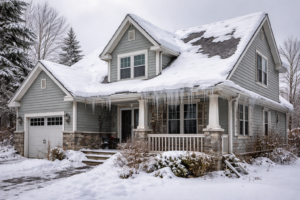
- Ice dams and water infiltration: When attic heat melts snow on the roof, the water refreezes at the eaves, creating ice dams that can push water back under shingles. To prevent this, Good Housekeeping recommends proper attic insulation, ensuring gutters are clear and ventilation is adequate.
- Strain on heating systems: Cold weather forces furnaces, boilers and heat pumps to work overtime. Home safety experts recommend annual professional cleanings and inspections of heating systems and fireplaces; regular maintenance is the best way to avoid heating fires.
- Frozen pipes and exterior fixtures: Outdoor faucets and exposed pipes can freeze and burst. Use faucet covers and insulate vulnerable pipes; ensure that your home’s interior temperature stays above 12 °C even if you’re away.
- Walkway hazards and slip risks: Snow and ice create slick surfaces. Healthcare experts advise keeping walkways and steps clear and using salt or sand to reduce slipping hazards.
- Carbon monoxide dangers: Using improvised heating sources increases the risk of carbon monoxide poisoning. Always use approved devices and ensure carbon‑monoxide detectors have fresh batteries.
Winter Home Maintenance and Safety Tips
Schedule Professional Inspections
- Inspect heating systems and fireplaces: Arrange for a certified technician to clean and inspect your furnace, boiler or heat pump. Regular maintenance reduces the chance of breakdowns and heating‑related fires.
- Book a winter home inspection: A comprehensive home inspection can identify signs of structural stress, inadequate insulation, moisture problems and safety issues. Walker Inspections offers detailed reports for homes in Kingston, Belleville, Prince Edward County and rural areas, ensuring your property is ready for the next storm.
Clear Snow Safely
- Use a snow rake from the ground: Officials recommend using a long‑handled snow rake to remove snow from pitched roofs. Start at the edge and work your way up, shaving the snow down to 2–3 inches to avoid damaging shingles.
- Keep tools away from utility wires: Maintain a safe distance from power lines and use plastic shovels to prevent roof damage.
- Remove icicles carefully: If large icicles hang over entrances, knock them down cautiously to prevent injury.
- Hire professionals for high or flat roofs: Standing on a snow‑covered roof is dangerous and can concentrate loads in one area, increasing the risk of collapse. Do not use ladders on icy surfaces or heat guns and torches to melt ice. Consult a professional roofing contractor or engineer when snow loads appear excessive.
Keep Up With Home Maintenance
- Clear gutters and trim branches: Rake leaves away from storm drains, clean gutters and cut back tree branches near your roof to prevent damage.
- Protect outdoor spigots and pipes: Use insulated faucet covers and check that exterior hoses are disconnected to prevent freezing.
- Stock winter supplies: Keep de‑icing salt, sand and a snow shovel on hand so you can promptly clear walkways.
- Maintain carbon monoxide detectors: Replace batteries and test detectors regularly. Avoid using barbecue grills, camp stoves or unvented space heaters indoors.
- Prepare an emergency kit: Have flashlights, batteries, water, non‑perishable food, blankets and medicines ready in case of extended power outages.
Watch for Warning Signs of Structural Stress
The Ministry of Labour notes several indicators that a roof may be overstressed by snow: sagging or bowed ceilings, severe leaks, cracks in walls or masonry, doors that suddenly stick or won’t open, and creaking or popping noises. If you observe any of these signs, evacuate the area and contact a structural engineer.
Preventing Ice Dams and Water Damage
Ice dams can cause extensive interior damage by forcing meltwater under shingles. To minimise the risk:
- Ensure your attic is properly insulated and ventilated so that heat does not escape and melt the snow unevenly.
- Keep gutters clear of leaves and debris so that melting snow can drain freely.
- Consider installing heated roof cables on problematic sections to prevent ice formation.
- After a storm, look for heavy icicles, water stains on ceilings or walls, and damming along eaves; address these issues promptly.
Schedule Your Winter Home Inspection Today
Heavy snow and extreme cold put your home under tremendous stress. A professional winter home inspection can reveal hidden issues before they become expensive repairs. At Walker Inspections, we evaluate structural components, roofing, insulation, ventilation, plumbing and heating systems across Kingston, Belleville, Prince Edward County, Cobourg and surrounding rural areas. We understand local building codes and weather challenges and provide clear, comprehensive reports.
Ready to ensure your home is winter‑ready? Request an estimate or book your inspection online to secure your appointment before the next storm hits.
Final Thoughts
This winter’s storms are a reminder of how quickly conditions can change in eastern Ontario. With wind‑chill values nearing –42 °C and snowfalls reaching 30 cm or more, proactive maintenance and professional inspections are essential. By clearing snow safely, maintaining your heating system, staying alert for signs of structural stress and booking a professional inspection, you’ll protect your home and family through this cold snap — and enjoy peace of mind until spring.